Mostrando entradas con la etiqueta To be person. Mostrar todas las entradas
Mostrando entradas con la etiqueta To be person. Mostrar todas las entradas
miércoles, 3 de junio de 2020

The lord of the flies

After that we will prepare some activities.
The movie is bassed in the book with the same name, written by Wilian Golding.
You can read the book in original version, o in spanish version (press download green boton).
At the end send me the activities before the 18 of june
martes, 31 de marzo de 2020
Coronavirus in the News

Positive or Personal News, where the protagonist are the hope, the solidarity... in these moments.
You can use these links, but you can look for others.
Make a presentation with these news and send to me.
miércoles, 25 de marzo de 2020
Creating a Infografía about Coronavirus
We go to create a Infografia about the Coronavirus. It is a free approach: How we can protect from illness? or How we can Help to control the dissemination? How we can organize the time in our houses? What do you know about coronavirus?.... In english or spanish language. Put your name on the infografía.
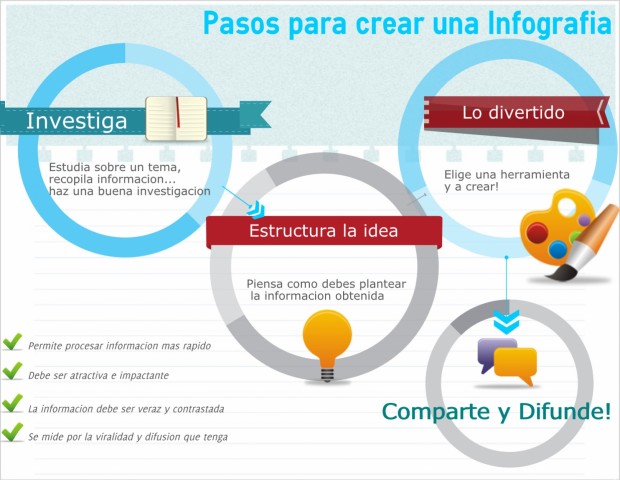
You can use to create:
https://www.easel.ly/
https://piktochart.com/
http://www.tagxedo.com/

You can use to create:
https://www.easel.ly/
https://piktochart.com/
http://www.tagxedo.com/

miércoles, 13 de noviembre de 2019
The Gender Violence
The United
Nations defines violence against women as "any act of gender-based
violence that results in, or is likely to result in, physical, sexual or
mental harm or suffering to women, including threats of such acts,
coercion or arbitrary deprivation of liberty, whether occurring in
public or in private life."
 Risk factors
Factors found to be associated with intimate partner and sexual violence occur within individuals, families and communities and wider society. Some factors are associated with being a perpetrator of violence, some are associated with experiencing violence and some are associated with both.
Risk factors for both intimate partner and sexual violence include:
Task: For the trimester, we are about to prepare the shooting of the promotional clip of the Short Ethic Movies Festival (now in its 5th edition). That's the reason why you should propose ideas. Something to should be done by all ethic students. Working in group, 2 people, with these items:
Remember, you can use all types of technological systems, with nice music related to movies or your personal creation.
Risk factorsFactors found to be associated with intimate partner and sexual violence occur within individuals, families and communities and wider society. Some factors are associated with being a perpetrator of violence, some are associated with experiencing violence and some are associated with both.
Risk factors for both intimate partner and sexual violence include:
- lower levels of education (perpetration of sexual violence and experience of sexual violence);
- exposure to child maltreatment (perpetration and experience);
- witnessing family violence (perpetration and experience);
- antisocial personality disorder (perpetration);
- harmful use of alcohol (perpetration and experience);
- having multiple partners or suspected by their partners of infidelity (perpetration); and
- attitudes that are accepting of violence and gender inequality (perpetration and experience).
- past history of violence;
- marital discord and dissatisfaction;
- difficulties in communicating between partners.
- beliefs in family honour and sexual purity;
- ideologies of male sexual entitlement; and
- weak legal sanctions for sexual violence.
Task: For the trimester, we are about to prepare the shooting of the promotional clip of the Short Ethic Movies Festival (now in its 5th edition). That's the reason why you should propose ideas. Something to should be done by all ethic students. Working in group, 2 people, with these items:
What is Gender Violence? how we can to combat? ...
... and we going to make a video 3-5 minutes.Remember, you can use all types of technological systems, with nice music related to movies or your personal creation.
miércoles, 6 de noviembre de 2019
The Butterfly Circus and the History of one perseverance
- What are the most important elements in Nick's story? Make a list
- How inspires other not to give up when it comes to the unexpected?
- What makes your life a model?
miércoles, 23 de octubre de 2019
How to combat modern slavery
What do you think about how to combat modern slavery? It's possible, we can to end slavery ?
miércoles, 9 de octubre de 2019
The person's dignity in the human beings: The modern slavery
After the video made the worksheet video, we review our ideas.
Answer these questions too:
What conditions a person have to have to achieve its fully develop?
What the Liberty mean ? made a definition
and the Equality? made a definition too
What the dignity mean ? made a definition
It is possible to live in liberty, dignity and equality? What do you think?
One woman´s Story
Answer these questions too:
What conditions a person have to have to achieve its fully develop?
What the Liberty mean ? made a definition
and the Equality? made a definition too
What the dignity mean ? made a definition
It is possible to live in liberty, dignity and equality? What do you think?
One woman´s Story
miércoles, 2 de octubre de 2019
Are there rules for Being a Human Being?

The development of a unique personal identity is a complex and intricate process that involves a variety of factors.
Some ideas for the debate:
- Growth requires pain?
- You will learn as long as you live
- There is a positive lesson in every life experience
- True beauty lives under the skin
- Only you know what you’re capable of
- Your love creates your happiness.
- You earn respect by being respectful
- Negativity poisons the soul
- Your health is your life
- Letting go is part of moving on to something better
- Every moment is a gift for us
- Your choices design your life
- Be honest above all.
- Take tough decisions, work hard, sweat and your life will be better.
- Maybe, ¿others?
Are there rules to be a human being?
What do you think about these ideas, can help you?
How we should create a Personal Identity?
Send me the conclusions.
miércoles, 25 de septiembre de 2019
The gentle genius of bonobos
Make a summary with the main ideas.
What do you think about the life of bonobos?
Differences between human beings and bonobos
What do you think about the life of bonobos?
Differences between human beings and bonobos
miércoles, 18 de septiembre de 2019
What is the difference betwen human beings and animals?

- Animals eat. Human beings also have to eat.
- Animals sleep. Human beings also need sleep.
- Animals have sex to procreate. Humans also have sex.
- Animals defend themselves; they fight. Human beings also have to defend themselves.
link
other

lunes, 27 de noviembre de 2017
lunes, 24 de octubre de 2016
IDEAS FOR THE PROMO CLIP

For the trimester, we are about to prepare the shooting of the promotional clip of the Short Ethic Movies Festival (now in its 2th edition). That's the reason why you should propose ideas. Something to should be done by all ethic students. Working in group, 2-3 people, with these items:
What is Gender Violence? how we can to combat? ...
... a video around 3-5 minutes.Remember, you can use all types of technological systems, with nice music related to movies or your personal creation.
miércoles, 16 de marzo de 2016
Defying at life
Challenges to do at life: Panyee FC Subtitulado en Español Historias de Superación y Motivación
The boy who changed thousands of lives
Link in spanish
Ryan Well´s Foundations
The boy who changed thousands of lives
Link in spanish
Ryan Well´s Foundations
miércoles, 25 de noviembre de 2015
Violence against women
Key facts:
- Violence against women - particularly intimate partner violence and sexual violence against women - are major public health problems and violations of women's human rights.
- Recent global prevalence figures indicate that 35% of women worldwide have experienced either intimate partner violence or non-partner sexual violence in their lifetime.
- On average, 30% of women who have been in a relationship report that they have experienced some form of physical or sexual violence by their partner.
- Globally, as many as 38% of murders of women are committed by an intimate partner.
- Violence can result in physical, mental, sexual, reproductive health and other health problems, and may increase vulnerability to HIV.
- Risk factors for being a perpetrator include low education, exposure to child maltreatment or witnessing violence in the family, harmful use of alcohol, attitudes accepting of violence and gender inequality.
- Risk factors for being a victim of intimate partner and sexual violence include low education, witnessing violence between parents, exposure to abuse during childhood and attitudes accepting violence and gender inequality.
- In high-income settings, school-based programmes to prevent relationship violence among young people (or dating violence) are supported by some evidence of effectiveness.
- In low-income settings, other primary prevention strategies, such as microfinance combined with gender equality training and community-based initiatives that address gender inequality and communication and relationship skills, hold promise.
- Situations of conflict, post conflict and displacement may exacerbate existing violence and present additional forms of violence against women.

The United Nations defines violence against women as "any act of gender-based violence that results in, or is likely to result in, physical, sexual or mental harm or suffering to women, including threats of such acts, coercion or arbitrary deprivation of liberty, whether occurring in public or in private life."
Risk factorsFactors found to be associated with intimate partner and sexual violence occur within individuals, families and communities and wider society. Some factors are associated with being a perpetrator of violence, some are associated with experiencing violence and some are associated with both.
Risk factors for both intimate partner and sexual violence include:
- lower levels of education (perpetration of sexual violence and experience of sexual violence);
- exposure to child maltreatment (perpetration and experience);
- witnessing family violence (perpetration and experience);
- antisocial personality disorder (perpetration);
- harmful use of alcohol (perpetration and experience);
- having multiple partners or suspected by their partners of infidelity (perpetration); and
- attitudes that are accepting of violence and gender inequality (perpetration and experience).
- past history of violence;
- marital discord and dissatisfaction;
- difficulties in communicating between partners.
- beliefs in family honour and sexual purity;
- ideologies of male sexual entitlement; and
- weak legal sanctions for sexual violence.
Task: You have to make a women human rights poster. Must illustrate women rights violations (2-3 people for group).
miércoles, 30 de septiembre de 2015
What is the difference betwen human beings and animals?
- Animals eat. Human beings also have to eat.
- Animals sleep. Human beings also need sleep.
- Animals have sex to procreate. Humans also have sex.
- Animals defend themselves; they fight. Human beings also have to defend themselves.
link
other

miércoles, 1 de octubre de 2014
jueves, 10 de octubre de 2013
Emotions
What is emotion?

Emotions seem to rule our daily lives. We make decisions based on whether we are happy, angry, sad, bored, or frustrated. We choose activities and hobbies based on the emotions they incite.
"An emotion is a complex psychological state that involves three distinct components: a subjective experience, a physiological response, and a behavioral or expressive response."
 During the 1980s, Robert Plutchik introduced another emotion
classification system known as the "wheel of emotions." This model
demonstrated how different emotions can be combined or mixed together,
much the way an artist mixes primary colors to create other colors.
Plutchik suggested that there are 8 primary emotional dimensions:
happiness vs. sadness, anger vs. fear, trust vs. disgust, and surprise
vs. anticipation. These emotions can then be combined in a variety of
ways. For example, happiness and anticipation might combine to create
excitement. link
During the 1980s, Robert Plutchik introduced another emotion
classification system known as the "wheel of emotions." This model
demonstrated how different emotions can be combined or mixed together,
much the way an artist mixes primary colors to create other colors.
Plutchik suggested that there are 8 primary emotional dimensions:
happiness vs. sadness, anger vs. fear, trust vs. disgust, and surprise
vs. anticipation. These emotions can then be combined in a variety of
ways. For example, happiness and anticipation might combine to create
excitement. link
Task:
What do you think about emotions?
When you feel these emotions: fear, trust, pain, sadness, interest. joy, anger, interest?
Do you think that emotions affect our lives?
Look for examples where the emotions change one life

Emotions seem to rule our daily lives. We make decisions based on whether we are happy, angry, sad, bored, or frustrated. We choose activities and hobbies based on the emotions they incite.
"An emotion is a complex psychological state that involves three distinct components: a subjective experience, a physiological response, and a behavioral or expressive response."

Task:
What do you think about emotions?
When you feel these emotions: fear, trust, pain, sadness, interest. joy, anger, interest?
Do you think that emotions affect our lives?
Look for examples where the emotions change one life
Suscribirse a:
Entradas (Atom)